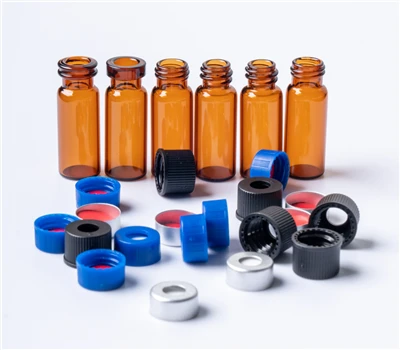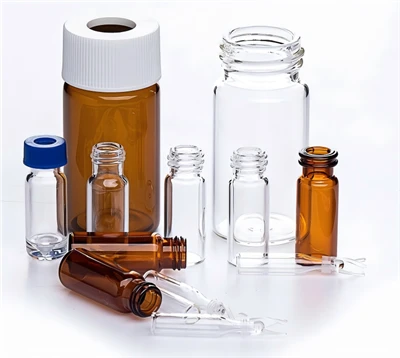
Prior to use, the compatibility of the vial cap liner material with the sample it will contact must be verified to prevent sealing failure or sample contamination caused by chemical reactions. During installation, the contact surfaces of the liner, cap, and vial mouth must be kept clean and dry to prevent dust, grease, or residual liquids from compromising the seal's effectiveness. For PTFE or composite-structure liners, proper orientation is critical; ensure that the sealing surface aligns correctly with the layer intended to contact the reagent.
During actual operation, the cap should be tightened with moderate force. Overtightening can lead to liner deformation or a loss of elasticity-thereby impairing its reusability-while insufficient tightness makes the vial prone to leakage. For vials that require frequent opening, maintaining a consistent tightening force is recommended to ensure a stable and uniform seal, thereby minimizing errors introduced by manual handling.
After use, the condition of the cap liner should be inspected periodically. If signs of aging, deformation, cracking, or reduced elasticity are observed, the liner must be replaced immediately to safeguard the quality of sample preservation. For high-purity or volatile samples, the service life of the liner should be shortened, and sealing integrity should be monitored more rigorously during long-term storage to ensure the stability and safety of the samples.