

For selection
- Consider the compatibility of vials and caps with your sample and mobile phase. For example, if you are working with highly acidic or basic samples, choose vials and caps that can withstand such conditions without degradation.
- Look for vials with low adsorption properties. Some vials may adsorb certain analytes, leading to inaccurate results. Opt for vials that minimize adsorption to ensure the integrity of your sample.
- Check the quality of the cap seal. A good seal is essential to prevent leakage and evaporation. Look for caps with reliable sealing mechanisms, such as septa that provide a tight fit.
- Consider the volume of the vials. Choose vials that are appropriate for your sample size and the requirements of your HPLC system. Avoid using vials that are too large or too small, as this can affect the accuracy of your analysis.
- Evaluate the durability of the vials and caps. They should be able to withstand repeated use and handling without breaking or degrading.
For usage
- Always clean the vials and caps thoroughly before use. Use appropriate solvents and cleaning procedures to remove any contaminants that may interfere with your analysis.
- When filling the vials, avoid introducing air bubbles. Air bubbles can disrupt the flow of the sample and affect the chromatographic separation.
- Make sure the caps are properly tightened. Use a torque wrench if available to ensure consistent sealing pressure.
- Store the vials and caps in a clean and dry place. Avoid exposure to sunlight, heat, and moisture, as these can affect the performance of the vials and caps.
- Label the vials clearly with relevant information such as sample ID, date of analysis, and any other important details. This will help you keep track of your samples and avoid confusion.
- Regularly inspect the vials and caps for signs of damage or degradation. Replace any damaged or worn-out vials and caps to ensure accurate results.
To ensure the quality of HPLC vials and caps, the following measures can be taken
For manufacturers:
- Adhere to strict quality control standards during production. This includes using high-quality raw materials, implementing precise manufacturing processes, and conducting regular quality inspections.
- Conduct comprehensive testing on the vials and caps. This may involve tests for chemical resistance, leak tightness, purity, and durability.
- Provide detailed product specifications and certificates of analysis to assure customers of the quality.
- Continuously improve production technology and quality management systems to enhance product quality.
For users:
- Purchase vials and caps from reputable suppliers. Look for suppliers with a good track record of providing high-quality products and excellent customer service.
- Inspect the packaging and appearance of the vials and caps upon receipt. Check for any signs of damage, contamination, or improper sealing.
- Conduct pre-use testing if possible. For example, you can test the leak tightness of the caps by filling a vial with a solvent and observing for any leaks over a period of time.
- Store the vials and caps properly to maintain their quality. Follow the manufacturer's recommendations for storage conditions, such as temperature, humidity, and light exposure.
- Regularly monitor the performance of the vials and caps during use. If you notice any issues such as inconsistent results or signs of degradation, investigate and take appropriate action, such as replacing the vials and caps.
- Make sure the vial size is compatible with the HPLC instrument.
- Septum type: If using caps with septa, choose the right type of septum based on the requirements of the analysis. Some septa are designed for specific solvents or injection methods.

- Recommend related products
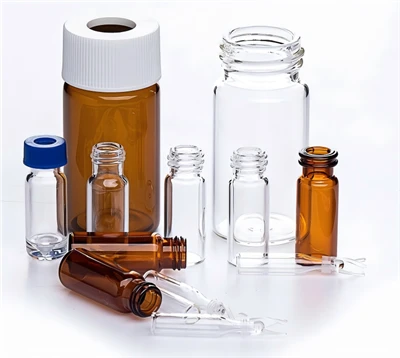
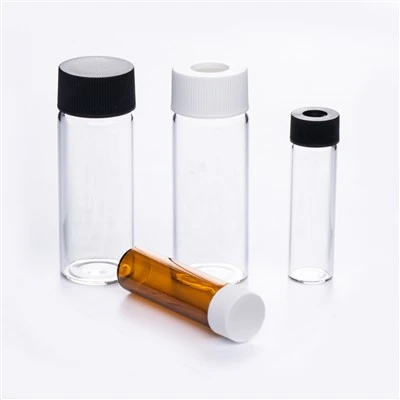
- Glass vial


Factroy Information

Rufluor has 10 clean production lines for PTFE silicone composite gaskets, as well as a gasket and cover composite production line and a cover and gasket assembly production line. Provide customers with a complete product series, including Sample vials from 1ML to 2000ML, cap pads from 4mm to 55mm in diameter, and a full range of syringe filters.
It has been OEMed for many well-known scientific instrument companies at home and abroad. They come from pharmaceutical, life science, chemistry, technology, food processing and other industries. At the same time, we also have customers from universities, research institutes, government agencies, and environmental testing agencies, etc. The quality is trustworthy.
Package

Hot Tags: glass hplc sample vial, China glass hplc sample vial manufacturers, suppliers, factory, autosampler vials with caps, chemical sample vials, high recovery vials, hplc glass sample vial, laboratory sample container, sample vials with crimp caps