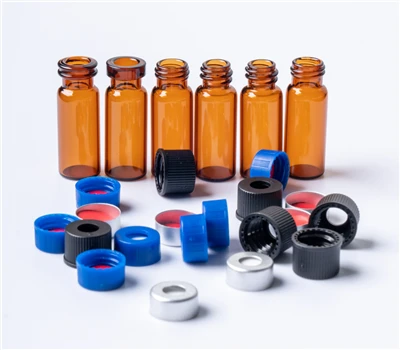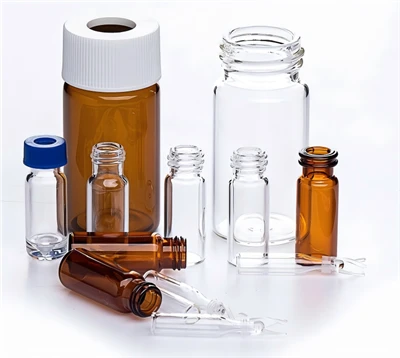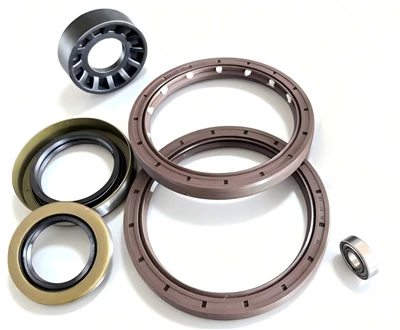
The selection of materials for sample vial septa is primarily guided by sealing performance and chemical compatibility. Common rubber-based materials include natural rubber, nitrile rubber, silicone, and fluororubber. Among these, natural rubber offers superior elasticity and is suitable for general sample sealing; nitrile rubber excels in resistance to oils and solvents; silicone demonstrates excellent thermal stability, making it ideal for environments subject to significant temperature fluctuations; while fluororubber is best suited for sealing samples involving highly corrosive substances or organic solvents.
In laboratory settings and demanding applications, PTFE (polytetrafluoroethylene) is a widely utilized septum material. It boasts exceptional chemical inertness and corrosion resistance, reacting with virtually no chemical reagents, making it suitable for high-purity samples or environments involving strong acids and bases. Additionally, plastic materials such as PE and PP are frequently employed for general-purpose vial septa; these offer lower costs and adequately meet the storage requirements for routine liquids.
Composite septa-such as combinations of PTFE with silicone or rubber-are also frequently employed to balance both sealing efficacy and chemical resistance. This type of composite structure not only ensures excellent elastic sealing performance but also extends the overall service life and broadens the scope of application. The specific choice of material is typically determined through a comprehensive assessment of the sample's properties, storage conditions, and usage frequency, thereby ensuring long-term stability and safety in application.