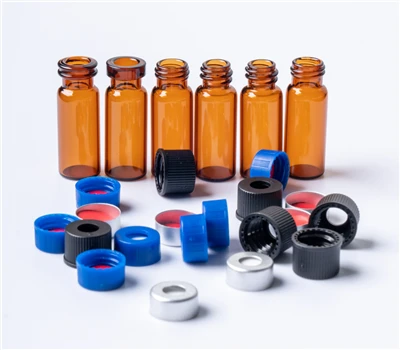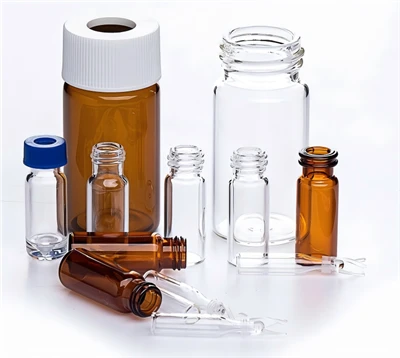
The process requirements for sample vial cap liners primarily encompass material selection, dimensional precision, surface treatment, and sealing performance, all aimed at ensuring excellent sealing integrity, chemical resistance, and durability during use.
The selection and formulation of materials must be strictly controlled. Different types of samples and storage conditions necessitate cap liners possessing specific levels of corrosion resistance, thermal stability, and elasticity. For instance, silicone liners require high purity and freedom from impurities, while PTFE liners demand material uniformity and chemical inertness to prevent any potential reactions with the sample.
Dimensional precision and surface quality constitute critical process parameters. The liner's thickness, inner diameter, outer diameter, and the contact surface interfacing with the cap must strictly adhere to design specifications, with tolerances maintained within permissible limits. Furthermore, the contact surface must be flat and smooth, free from burrs, air bubbles, or surface irregularities that could compromise sealing effectiveness.
Sealing performance and durability are also pivotal aspects of process control. During manufacturing, it is essential to ensure uniform molding of the liner-avoiding material shrinkage, warping, or excessive internal stress-thereby guaranteeing that the liner retains its resilience and sealing integrity during cap tightening and throughout prolonged storage. For composite-structure liners, robust adhesion between the various material layers must be ensured to achieve a comprehensive performance profile that effectively balances both sealing capability and chemical resistance.