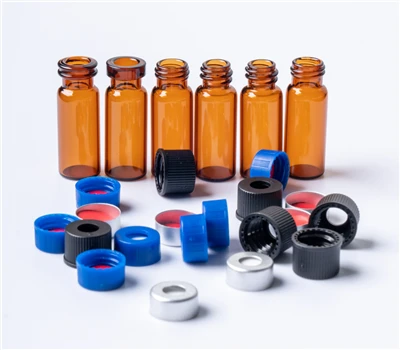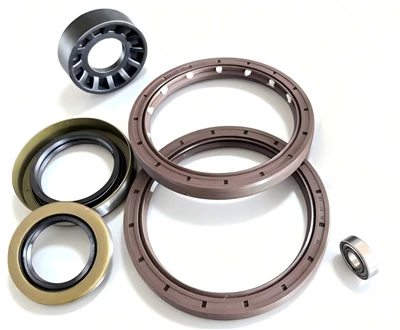
Due to their excellent elasticity, sealing capabilities, and shock-absorbing properties, rubber components are widely utilized across the industrial manufacturing sector. In mechanical equipment, rubber parts frequently serve in sealing and cushioning applications-such as bearing seals, oil seals, and various O-rings-to prevent the leakage of lubricants or operational fluids while simultaneously minimizing friction and wear between components, thereby enhancing the operational stability of the equipment.
In the automotive industry, the application of rubber components is even more pervasive, spanning various subsystems including the engine, chassis, and body sealing mechanisms. For instance, engine mounts and vibration dampers are employed to mitigate vibration transmission; door seals are utilized to enhance sound insulation and waterproofing; and rubber hoses within fuel systems serve to convey fuel or coolant. These specific components demand materials with superior resistance to oil, heat, and aging.
Rubber components also play a pivotal role in the electronics, construction, and consumer goods sectors. In electronic devices, waterproof seals and dust-proof gaskets are commonly used to elevate the product's ingress protection rating; in the construction industry, rubber waterstops and vibration-damping pads are deployed for structural waterproofing and seismic resistance; and in everyday consumer products-such as appliance foot pads and kitchen seals-rubber materials are extensively utilized to enhance user comfort and safety.