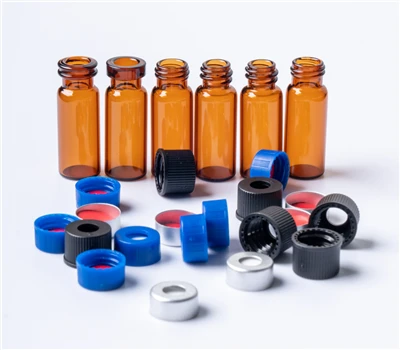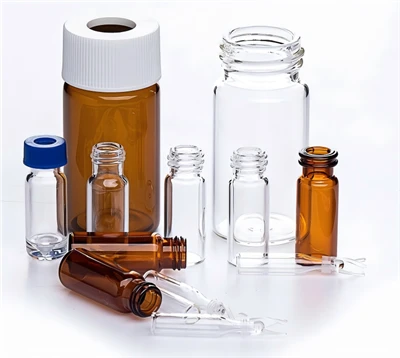
The testing of reagent bottles primarily focuses on their physical properties, chemical stability, and sealing performance, aiming to ensure safety and reliability during experimental procedures and storage.
Physical Property Testing
This encompasses visual inspection of the bottle body, dimensional measurements, and mechanical strength testing. Visual inspection is primarily conducted to detect cracks, air bubbles, flash, or other defects; dimensional measurements ensure that critical dimensions-such as the bottle mouth, body, and threads-comply with design specifications; mechanical strength testing is employed to assess whether the reagent bottle is prone to breakage or deformation during handling, stacking, or usage.
Chemical Stability Testing
This is primarily conducted through contact tests involving typical reagents to evaluate the corrosion resistance and inertness of the bottle material when exposed to chemicals such as acids, bases, and organic solvents. For glass bottles, the focus is typically on detecting signs of clouding, etching, or leakage; for plastic bottles, attention is directed toward identifying any deformation, swelling, or degradation.
Sealing Performance Testing
This involves airtightness and leak-proof testing of the screw caps or stoppers. By applying pressure, inverting, or shaking the reagent bottle, inspectors check for any liquid seepage or gas leakage to ensure that the reagents remain free from contamination or volatilization during storage and transport, thereby guaranteeing experimental safety and reagent stability.