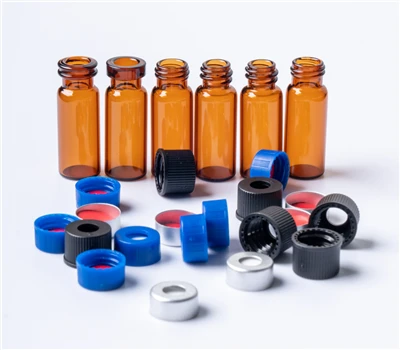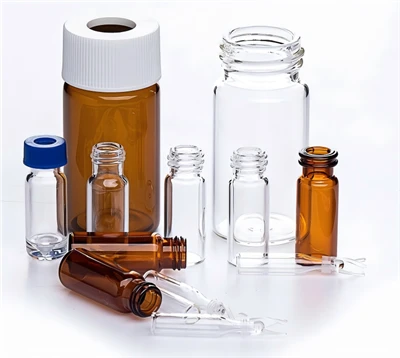
Storage standards for reagent bottles primarily address three key aspects-safety, stability, and traceability-to ensure that the integrity of the reagents remains unimpaired and to prevent accidents. Reagent bottles should be categorized and stored according to the chemical properties of their contents; for instance, acids, bases, flammable or explosive substances, and light-sensitive reagents must be stored separately to prevent unintended reactions between different chemicals. Storage areas should be well-ventilated, maintained at appropriate temperature and humidity levels, and kept away from open flames, heat sources, and direct sunlight.
During storage, reagent bottles must remain tightly sealed to prevent liquid evaporation or moisture absorption-a critical requirement, particularly for highly volatile or hygroscopic chemicals. For transparent or light-colored glass bottles, light-shielded storage methods should be employed as needed to prevent light exposure from triggering chemical reactions or degradation; furthermore, fragile glass bottles should be protected using anti-collision measures, such as specialized trays or dividers.
Storage management protocols must prioritize clear labeling; every reagent bottle should bear comprehensive information-including the reagent name, concentration, manufacturing or opening date, expiration date, and hazard classification-to facilitate rapid identification and efficient management. Large-scale laboratories or warehouses typically require the establishment of inventory logs or electronic management systems to track reagent usage and storage status, thereby ensuring safe, compliant, and efficient overall management.