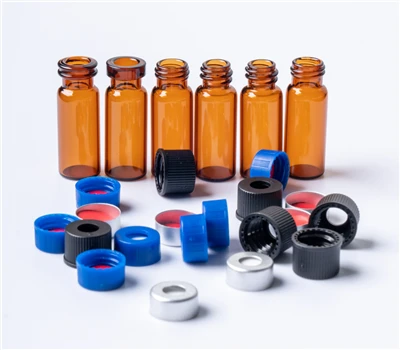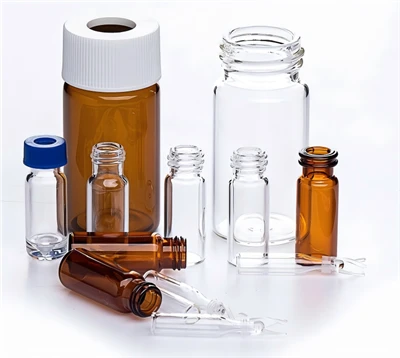
The key technical aspects of reagent bottles primarily encompass four areas: material control, molding processes, sealing structures, and safety performance; collectively, these factors determine their operational reliability and scope of application.
Material Technology
Reagent bottles demand a high degree of chemical stability in their materials. Glass bottles typically utilize borosilicate glass to ensure robust resistance to corrosion and thermal stress. For plastic bottles, material selection-such as PE, PP, or PTFE-is determined by the specific properties of the reagent being stored; furthermore, these materials are often modified or enhanced with additives to optimize their chemical resistance, impact strength, and aging resistance, thereby ensuring storage safety right from the source.
Molding Technology
Glass reagent bottles rely on high-precision blowing or molding processes to ensure uniform wall thickness and a balanced distribution of internal stress. Plastic reagent bottles, conversely, predominantly employ injection molding techniques, which require rigorous control over mold precision and process parameters-particularly regarding the machining quality of the bottle neck threads and sealing surfaces-as these factors directly impact subsequent operational performance.
Sealing Structure Technology
Reagent bottles typically employ sealing mechanisms such as screw caps, ground-glass joints, or gasket seals. Key control points within these systems include the precision of the thread fit, the material composition of the gasket, and the flatness of the contact surfaces. A well-engineered sealing structure effectively prevents evaporation, leakage, and external contamination, thereby enhancing the stability of the stored reagents.
Safety and Functionality Technology
This category encompasses features such as light-shielding designs, impact-resistant construction, and optimized leak-prevention structures. For instance, amber-colored glass is utilized to protect light-sensitive reagents; a thickened bottle base enhances resistance to breakage from accidental drops; and a drip-free spout design facilitates precise dispensing of liquids. Collectively, these technologies constitute the core framework that guarantees the performance and reliability of reagent bottles.