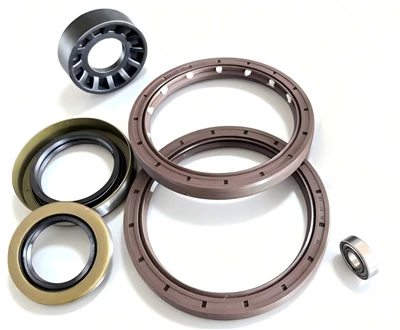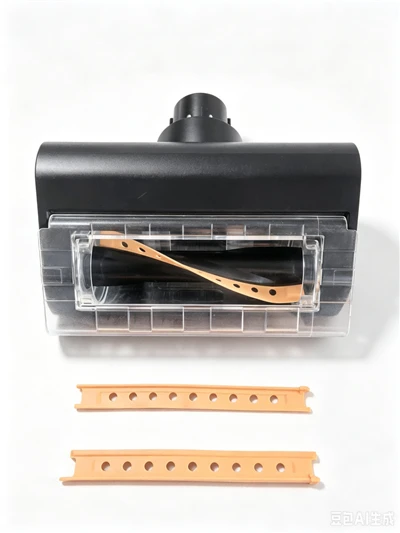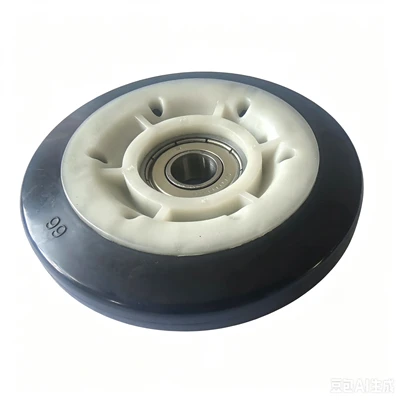
The structural design of silicone components is determined by functional requirements, geometric complexity, and the chosen molding process. Common structural approaches include monolithic integral molding, segmented assembly molding, and multi-layer composite structures. Monolithic integral molding is the most prevalent method; it involves a single-step vulcanization process using a mold and is suitable for silicone parts with simple to moderately complex geometries. This approach yields structures with high integrity, excellent sealing capabilities, and high processing efficiency.
Segmented assembly molding is employed for larger or geometrically complex silicone components, wherein multiple individual silicone parts are joined together via bonding, thermal fusion, or mechanical interlocking. This structural method enables the realization of complex geometries that would be difficult to achieve using a single mold; furthermore, it facilitates easier localized replacement or repair. However, the integrity of the seal and structural strength must be rigorously ensured through careful design and precise manufacturing processes.
Multi-layer composite structures are typically utilized for silicone components requiring integrated functionality or specific performance characteristics-for instance, by embedding a metal skeleton or a fabric reinforcement layer within the silicone matrix to enhance strength, pressure resistance, or thermal conductivity. Through this composite construction, the silicone component retains its inherent elasticity and sealing properties while simultaneously fulfilling additional functional requirements, such as load- bearing capacity, deformation resistance, or thermal management. Consequently, this approach is widely applied in the automotive, electronics, and high-end industrial equipment sectors.