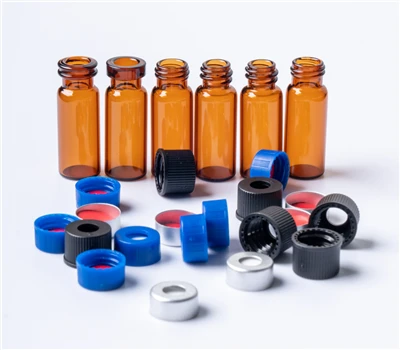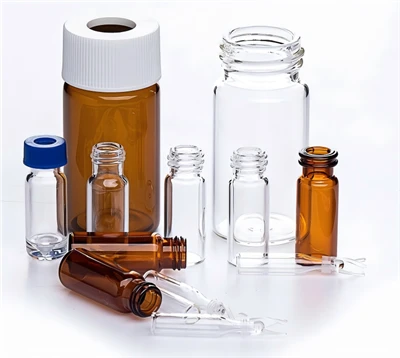
The properties of reagent bottles are primarily manifested in three aspects: their physical characteristics, chemical stability, and functional utility. As a standard laboratory vessel, a reagent bottle must first possess excellent sealing capabilities to prevent liquid evaporation, gas leakage, or contamination from external sources, thereby ensuring the purity and stability of the stored reagents. Concurrently, its structure must exhibit sufficient mechanical strength to withstand the minor impacts associated with routine handling, storage, and experimental procedures.
From a chemical perspective, reagent bottles must demonstrate superior corrosion resistance and chemical inertness to prevent any reaction with the reagents they contain. Glass reagent bottles typically exhibit high chemical stability-particularly those made of borosilicate glass-offering excellent resistance to most acids, bases, and organic solvents. Conversely, the chemical resistance of plastic reagent bottles varies depending on the specific material; for instance, polypropylene (PP) offers strong resistance to acids and bases but is unsuitable for use with highly oxidizing media.
Reagent bottles also possess specific functional properties, such as light transmittance or light-blocking capabilities. Transparent bottles facilitate the visual monitoring of the liquid's condition, whereas amber or opaque bottles are utilized for storing light-sensitive chemicals, thereby preventing decomposition or degradation caused by exposure to light. Collectively, these properties determine the scope of application and reliability of reagent bottles across diverse experimental and storage environments.