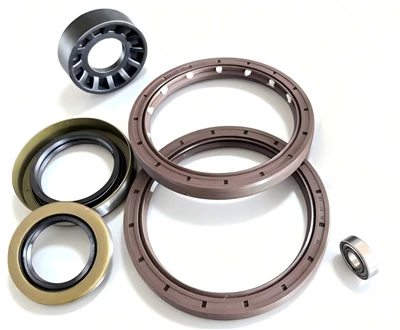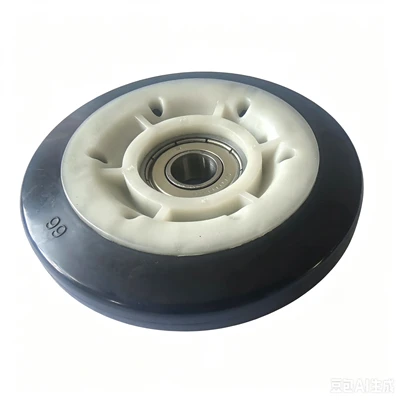
The shelf life of rubber components is typically closely tied to the material type, formulation system, and storage conditions; generally, a range of 1 to 3 years is common. For instance, materials such as natural rubber and nitrile rubber tend to age relatively quickly in standard environments, resulting in a shorter shelf life; conversely, materials with superior aging resistance-such as silicone rubber and fluororubber-can maintain their validity for a longer duration under optimal storage conditions.
The primary factors influencing the shelf life of rubber components include temperature, humidity, light exposure, and the presence of ozone. High temperatures accelerate the scission of rubber molecular chains, leading to hardening or cracking; ultraviolet radiation and ozone can cause surface chalking and fissures; while humid environments may trigger performance degradation or mold growth. Consequently, during storage, it is essential to avoid direct sunlight, keep the items away from heat sources and strong oxidizing environments, and maintain storage conditions that are as dry and well-ventilated as possible.
In practical management, rubber components typically require labeling with their production dates and should be utilized according to the "First-In, First-Out" (FIFO) principle. Even within the designated shelf life, it is advisable to conduct visual and functional inspections prior to use; any signs of tackiness, hardening, cracking, or diminished elasticity should be treated as performance anomalies. For critical sealing components or safety-related parts, stricter controls regarding validity periods must be implemented in accordance with specific customer standards or industry regulations.