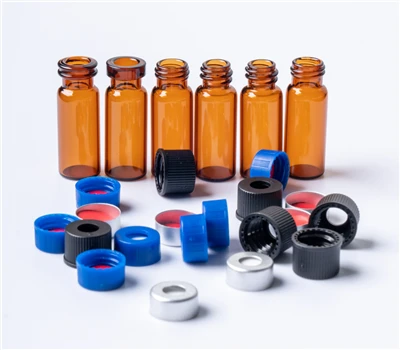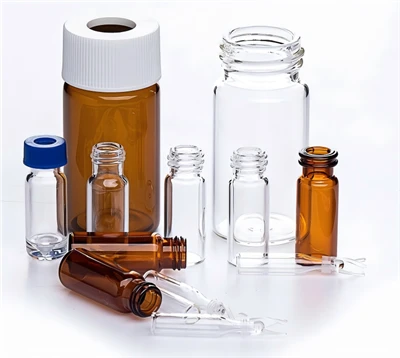
Reagent bottles are primarily categorized into two main material types: glass and plastic. Different materials are suited to distinct experimental and storage requirements. Glass reagent bottles are typically manufactured from borosilicate glass, which possesses excellent chemical stability, corrosion resistance, and thermal resistance. Capable of withstanding the effects of most acids, bases, and organic solvents, they are widely utilized in the storage of reagents and in experimental procedures where a high degree of chemical inertness is required.
Plastic reagent bottles, conversely, are commonly fabricated from materials such as polyethylene (PE), polypropylene (PP), and polytetrafluoroethylene (PTFE). Among these, PE offers good flexibility and high impact resistance, making it suitable for the storage of general chemicals; PP exhibits superior heat and chemical resistance, rendering it appropriate for most standard reagents; PTFE, meanwhile, boasts exceptional corrosion resistance and is suitable for storing strong acids, strong bases, and specialized chemical media, though it entails a relatively higher cost.
The selection of material typically necessitates a comprehensive assessment that takes into account both the properties of the reagent and the intended usage environment. For instance, light-sensitive reagents are frequently stored in amber glass bottles to protect them from light exposure; conversely, for fragile samples or those requiring frequent transport, plastic reagent bottles are often preferred to enhance safety and portability, thereby striking a balance between performance and practical convenience.