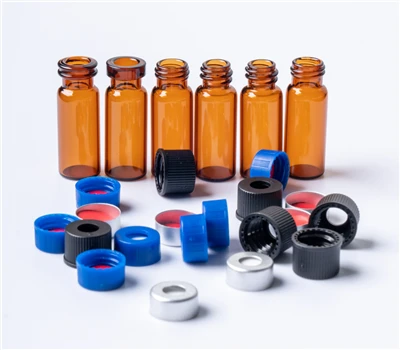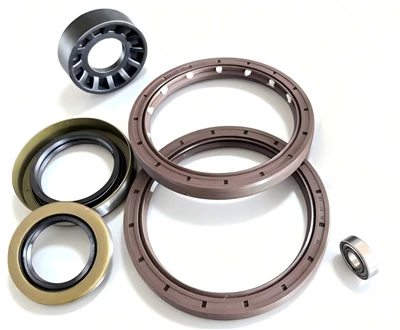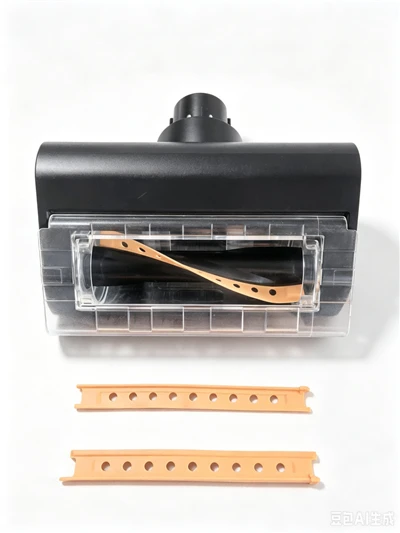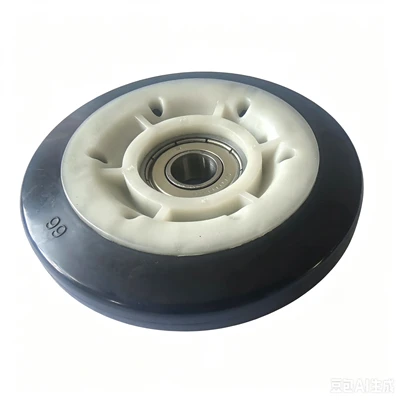
Specifications for silicone components typically lack a single, universal standard; instead, they are customized based on product drawings and actual application requirements, primarily defined by dimensional parameters and structural configurations. Common specifications include outer diameter, inner diameter, cross-sectional diameter (wire diameter), thickness, length, and specific structural dimensions. For instance, O-rings are typically designated by "inner diameter × cross-sectional diameter," while sealing strips are defined by their width × height or cross-sectional profile.
The specification systems for silicone components vary across different application fields. Industrial sealing products place greater emphasis on critical mating dimensions and tolerance control to ensure effective sealing during assembly. Silicone components for electronics and electrical appliances prioritize structural compatibility and dimensional consistency. Conversely, products for the food and medical sectors-in addition to dimensional specifications-impose stricter requirements regarding surface finish, structural details, and consistency to comply with safety and hygiene standards.
In actual production and inspection, the specifications of silicone components are typically controlled in conjunction with mold design, taking into account the silicone material's shrinkage rate and elastic deformation characteristics. Inspection generally involves measurements taken using calipers, optical projectors, or specialized gauges, which are then compared against the tolerance ranges specified in the technical drawings for verification. For mass-produced batches, sampling methods are also employed to verify dimensional consistency, thereby ensuring overall assembly stability and operational reliability.