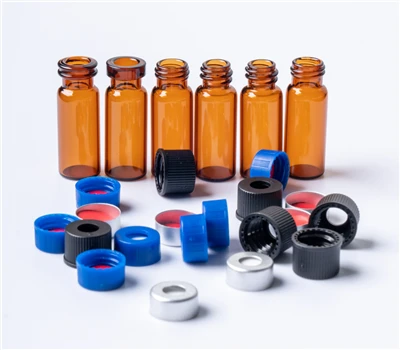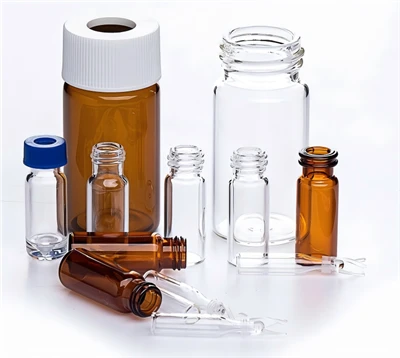
Sample vial cap liners should be stored in a dry, clean, and well-ventilated environment, protected from moisture, dust, or contamination by impurities. For light-sensitive materials (such as certain rubbers or composite materials), direct sunlight or prolonged exposure to intense light should be avoided.
Storage temperatures must be maintained within the material's specified operating range; high temperatures can accelerate the aging of rubber-based or composite materials, while low temperatures may lead to hardening or a loss of elasticity. Different materials should be stored separately to prevent contact with chemicals or highly corrosive gases, thereby avoiding chemical reactions or material degradation.
To ensure safe usage, cap liners should be sorted, organized, and clearly labeled with the material type, batch number, and production date. For liners intended for long-term storage or use as spares, it is recommended to periodically inspect their elasticity, surface condition, and structural integrity. If signs of aging, cracking, or deformation are detected, the liners should be replaced immediately to ensure reliable sealing and sample security during actual use.