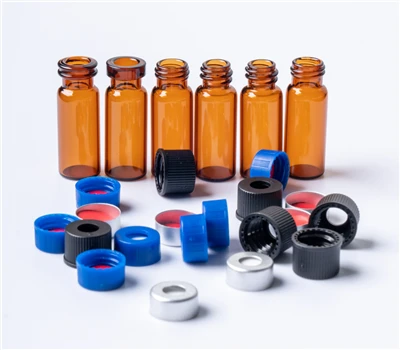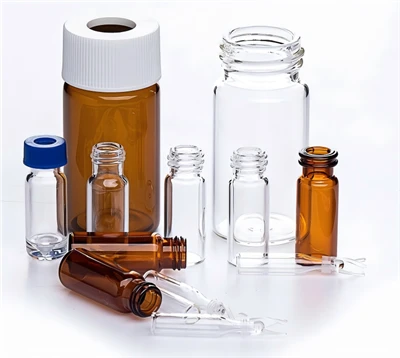
The design of sample vial cap liners is primarily intended to ensure that samples remain unaffected by the external environment during storage and transport. These liners are typically fabricated from materials that are resistant to chemical corrosion, high temperatures, and pressure; this prevents the leakage of liquids or gases while simultaneously avoiding any chemical reactions with the sample itself. During the design phase, appropriate materials and thicknesses are selected based on the vial's mouth diameter, the type of cap used, and the specific properties of the sample, thereby guaranteeing both sealing integrity and safety.
Cap liners typically feature a soft, elastic structure that allows them to fit snugly against the vial's mouth, thereby creating a uniform distribution of pressure. This design not only effectively prevents liquid leakage but also guards against cap deformation or cracking caused by uneven pressure distribution. Furthermore, the surface of the liner is often designed with a textured or micro-patterned finish to increase friction, thereby enhancing both anti-slip properties and sealing effectiveness.
Concurrently, the design of cap liners must also prioritize ease of handling and reusability. The liners should be easy to install and remove, and they must maintain stable performance throughout repeated opening and closing cycles. For samples intended for specialized applications-such as those involving high temperatures, high pressures, or highly volatile liquids-multi-layer composite structures or specialized coatings are often employed to enhance durability and chemical stability, thereby ensuring reliable, long-term sealing.