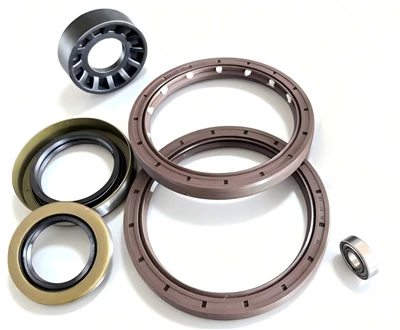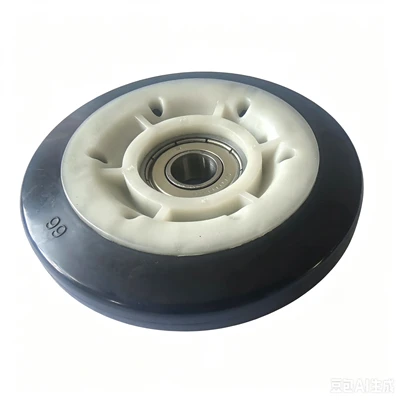
Quality control for rubber components encompasses a comprehensive, end-to-end management system-spanning incoming materials, in-process operations, and finished goods-to ensure consistency in both product performance and appearance. During the raw material stage, batch inspections of rubber compounds are mandatory; these assessments cover parameters such as hardness, tensile strength, curing characteristics, and visual condition. Concurrently, materials are verified against engineering drawings or technical specifications to prevent material variability from compromising subsequent molding quality.
In the realm of production process control, primary emphasis is placed on the stability of curing parameters-specifically ensuring that temperature, pressure, and curing time controls remain within the prescribed process window. Simultaneously, molds undergo periodic inspections to prevent defects-such as flash, voids, or dimensional deviations-that may arise from mold wear, inadequate venting, or irregularities in the parting line. When necessary, "First Article Inspection" and roving patrol mechanisms are employed to provide real-time monitoring of critical dimensions and visual defects, thereby ensuring process stability.
During the finished goods inspection and shipping control phases, a comprehensive assessment of appearance, dimensions, and performance is conducted in accordance with established sampling standards, benchmarked against limit samples or technical specifications. For products designated for critical applications, additional functional or reliability testing-such as sealing performance, compression set, or aging resistance tests-is incorporated. Furthermore, strict protocols for product identification and traceability are enforced to ensure the effective segregation of non-conforming products, thereby guaranteeing the controllability and consistency of the final delivered quality.