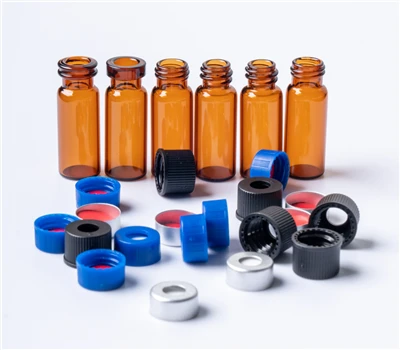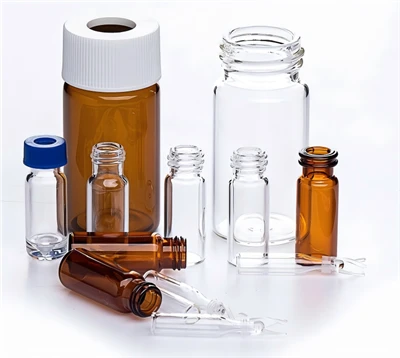

1. Consider temperature resistance: If your experiment requires high or low temperatures, it is crucial to select a reagent bottle capable of withstanding those conditions.
2. Evaluate chemical compatibility: Understand the chemical properties of your reagents and choose a bottle that is compatible with them. For instance, strong acids, strong bases, or certain organic solvents may require bottles made of specialized materials.
3. Consider the application: Select a reagent bottle of the appropriate size based on your experimental needs. If long-term storage is required, opt for a bottle with superior sealing capabilities and light-shielding properties.
4. Consider the price: Choose a reasonably priced reagent bottle based on your budget and the scale of the experiment. While high-quality bottles may come at a higher cost, they offer superior performance in protecting reagents and ensuring experimental accuracy.
In summary, selecting the right reagent bottle involves considering several factors, including temperature resistance, chemical compatibility, intended use, and price. By carefully weighing these factors and choosing a bottle that meets your experimental requirements, you can ensure both reagent safety and the accuracy of your experimental results.