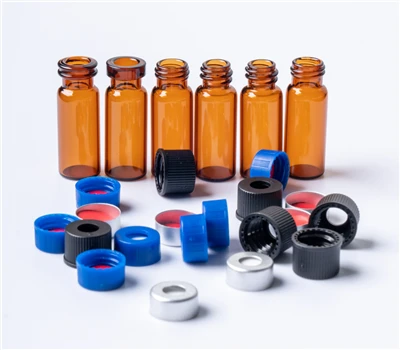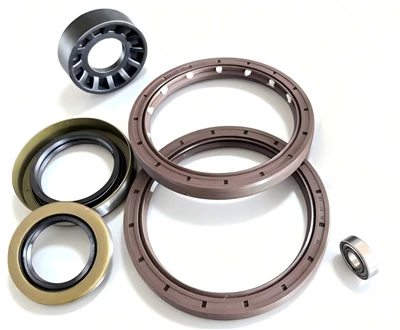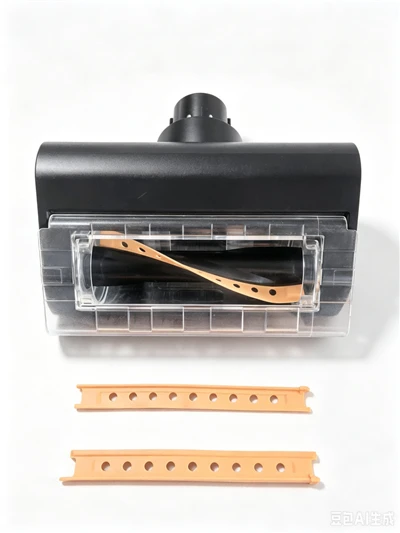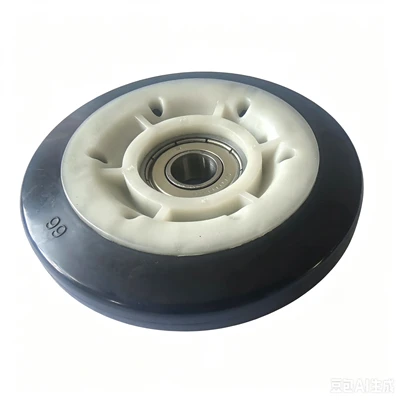
Silicone components exhibit excellent resistance to both high and low temperatures; their typical operating temperature range spans from -60°C to 250°C, while certain high-performance silicone grades can withstand even higher temperatures. This capability ensures that silicone parts maintain their elasticity and dimensional stability even in extreme environments, making them ideal for applications involving high-temperature equipment, cold-chain logistics, and outdoor settings.
Furthermore, silicone components possess outstanding chemical stability and aging resistance, remaining resistant to degradation when exposed to air, ozone, ultraviolet radiation, and most chemical media. This characteristic ensures that, even after prolonged use, the parts remain free from cracking, crumbling, or hardening, thereby guaranteeing the long-term reliability of their sealing and shock-absorbing properties. Compared to conventional rubber materials, silicone demonstrates superior performance in terms of corrosion resistance, water resistance, and weatherability.
Silicone components also feature excellent flexibility and physiological inertness; they offer a comfortable tactile feel and are unlikely to trigger allergic reactions, making them widely utilized in fields such as medical devices, food-contact applications, and infant care products. They can be manufactured into a wide variety of shapes using processes such as compression molding, injection molding, or liquid silicone molding, while maintaining high precision and a superior surface finish to meet diverse functional and aesthetic requirements.