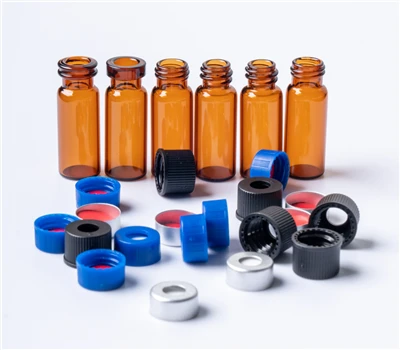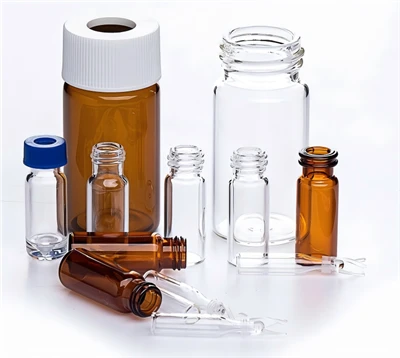
The primary functions of a sample vial cap liner encompass four key aspects: sealing, leak prevention, sample protection, and extending the service life of the cap. Foremost among these is sealing; positioned between the cap and the vial mouth, the liner creates an airtight or liquid-tight barrier. This prevents the leakage of liquids, gases, or volatile chemicals while simultaneously blocking the ingress of external air or contaminants, thereby preserving the purity of the sample.
Furthermore, the cap liner serves to protect the sample-particularly substances that are volatile, prone to oxidation, or photosensitive-by preventing contact with air or minimizing light exposure, thereby effectively extending the sample's stability and shelf life. This function is of paramount importance during both experimental procedures and storage.
Additionally, the cap liner helps mitigate direct wear on the cap by cushioning the friction between the cap and the vial mouth. This facilitates smoother opening and closing actions, thereby extending the service life of both the cap and the vial mouth. For sample vials that undergo repeated opening and closing cycles, the elasticity and chemical resistance of the cap liner directly determine the long-term reliability of the vial.