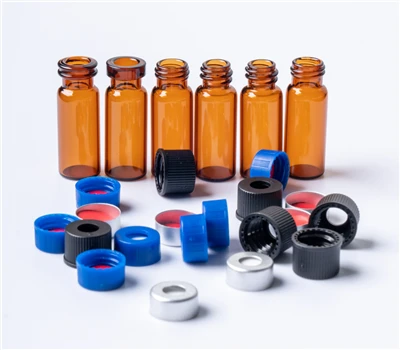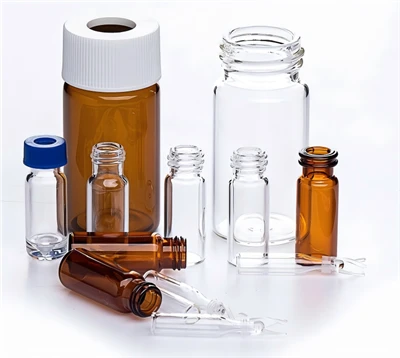

Proper use of sample vials is crucial for ensuring sample integrity and accuracy. Below are key methods and steps for using these vials:
First, dilution and liquid withdrawal are common experimental procedures involving vials. Dilution techniques-which entail reducing a high-concentration solution to a desired concentration-require precise measurement and handling. When using vials, employ appropriate tools such as pipettes or syringes to ensure accuracy. After injecting the sample into the vial, ensure it is securely sealed to prevent contamination.
Second, the method of withdrawing samples from the vial is a critical step. Use suitable withdrawal devices, such as syringes or specialized extraction equipment. Ensure the equipment is clean and sterile to avoid cross-contamination. When withdrawing a sample, handle the vial gently; avoid excessive pressure that could cause the sample to spill or the vial to break. After use, promptly clean and process the withdrawal equipment to ensure it remains suitable for reuse.
Cleaning and processing steps are vital for ensuring the reusability and safety of the vials. Clean used vials immediately to remove residual samples and chemicals. Use specialized cleaning agents and brushes for thorough cleaning, ensuring both the interior and exterior are free of residue. After cleaning, sterilize the vials using high heat or appropriate disinfectants to ensure a sterile state.
Furthermore, proper storage is essential. Store cleaned vials in a dry, dust-free environment to prevent re-contamination. For specialized vials-such as those made of high-heat-resistant glass or sterile empty vials-follow specific storage and handling protocols based on their characteristics to ensure longevity and safety.
Proper use and handling of sample vials require adherence to strict operational procedures and hygiene standards. By employing correct dilution techniques, withdrawal methods, and cleaning procedures, you can ensure vial reusability and sample safety, thereby enhancing the accuracy and reliability of experimental results.